Song structures
Instrumental music is called either "Slattemusikk" or "Bygdedans" and unsurprisingly both have strong ties with traditional dance also. Music in this style is typically measured whether it is in 2/4, 3/4 or 6/8 timing, after which it is entitled under a certain name (either a dance style or a music style). (1/3)
3/4 time:
Bygdedans in this timing is called either springar, pols, springleik, rundom or springdans but again there are far more names due to the regional differences. (3)
2/4 & 6/8 time:
Bygdedans following these two timings are often danced with couples in which case they are called; gangar, rull or bonde. They can also be danced solo where they would be entitled halling or laus. (3)
Instruments
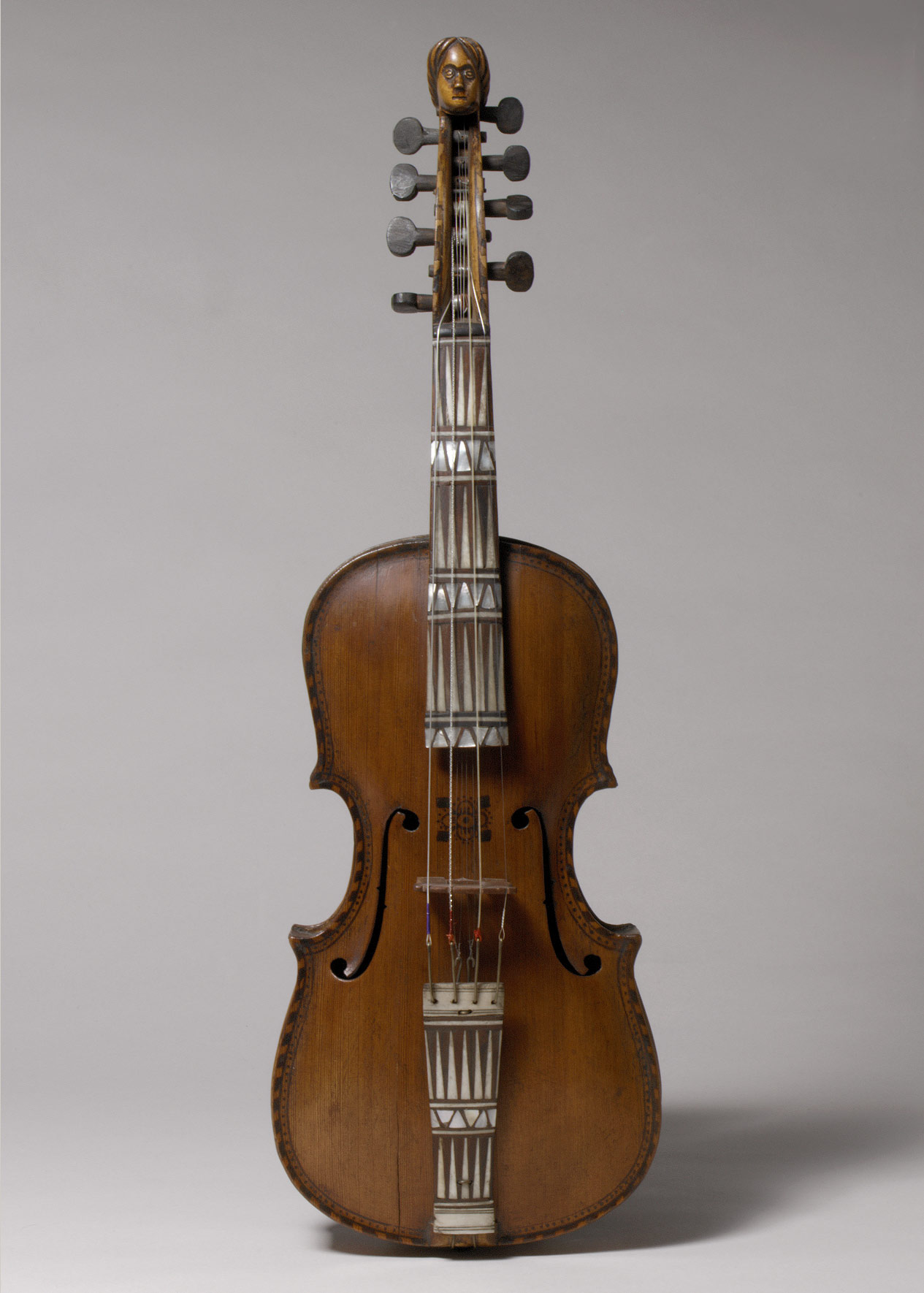
The most common instrument used in Norwegian music is the Hardanger fiddle which is apparently seen as the national instrument of Norway. The 'hardingfele' is a transposing instrument and is usually tuned A,D,A,E, the instrument has eight strings where pairs of strings are tuned to compliment eachother (known as sympathetic strings). These sympathetic strings are typically tuned D,E,F#,A and some variants also have a low B preceeding the other four sympathetic strings. The other main difference between the Hardanger fiddle and a traditional is it's slight constructional differences and is heavily ornamented. The ornamentation contains mainly 'rosing', which is inked patterns and decorations. Along with this they usually have a carved headstock usually based on a maiden or a powerful animal. The instrument is thought to have originated from a region around the Hardanger fjord (which is where the English name is drawn from). It had become the dominant instrument in Norwegian music by the 1700's but scholars believe the instrument could have been first created around half a century earlier. The sound of the instrument can be easily distinguished and was famously used in a number of compositions for the Lord Of The Rings film and game series (the themes within Rohan particularly). (2/4/5)
There are a number of different wind instruments used in slatte music. Willow flutes, ram's horns and neverlurs were used less frequently due to their original functions for work. Even older wind instruments were mainly used by shepherds and sometimes used in the traditional music of Norway. Some of these instruments include; boneflute, neverlapp, tungehorn and very basic home constructed instruments similar to clarinets. (1)
The northern parts of Norway boast cultural influence from the Sami people (the indigenous peoples of Lapland) who use a powerful chanting technique called joik. (2)
Modern following and variants
As with many styles of world music, this gained a resurgence of interest and popularity in the 20th century which is still ongoing. As far as variations and adaptions into new music has stretched, there is a small interest from the infamous Norwegian black metal scene. Whilst the two styles share nothing with each other and to date I cannot think of any direct musical combination, numerous black metal bands have side projects devoted to performing traditional Norwegian music (the more intimidating and bleaker styles anyway).
The traditional music of Norway has been aurally transmitted through the years and is still taught in the same method today. (3)
Sources used
(1) Norwegian Folk Music (1997) Norwegian Folk Music. Available at: http://home.online.no/~kgjetmun/ (Accessed: 27 September 2013)
(2) Music From Norway (?) Traditional Music. Available at: http://www.musicfromnorway.com/default.aspx?norwegian=album&music=-104 (Accessed 27 September 2013)
(3) Folkemusikk.no (?) Norwegian Traditional Music. Available at: http://www.folkemusikk.no/norwegian-traditional-music.137786.no.html (Accessed 27 September 2013)
(4) Hardanger Fiddle Association of America (?) What is a Hardanger fiddle?. Available at: http://www.hfaa.org/Home/about-the-hardanger-fiddle (Accessed 27 September 2013)
(5) Code, K.L (?) A Guide to Tunings on the Hardingfele. Available at: http://www.hfaa.org/Home/articles-on-the-hardanger-fiddle/a-guide-to-tunings-on-the-hardingfele (Accessed 28 September 2013)
Images and video links
The Metropolitan Museum of Art (2013) Hardanger Fiddle. Available at: http://www.metmuseum.org/collections/search-the-collections/503795 (Accessed 28 September 2013)
pcgamer (2012) Behind the music of LotRO's Riders of Rohan expansion. Available at: https://www.youtube.com/watch?feature=player_embedded&v=0OPsmQRmmK8 (Accessed 27 September 2013)
wardruna (2009) Hagal (Live at Incubate 2009). Available at: https://www.youtube.com/watch?feature=player_embedded&v=CoaGMb8p_PY (Accessed 28 September 2013)

you could add some more countries.
ReplyDeletebut the country you have done is very detailed
Hi this is Pat, Patcunningham1.blogspot.co.uk
ReplyDeleteWell presented and detailed research here Ben, but you occasionally write too casually about your subject matter. Starting the Norwegian section of your blog with "as a guess" is not a very academic way to write at this level. Generally good work here, but more audio and video examples to flesh out your written ideas would be welcome in future assignments.
ReplyDelete