In my opinion West African music, in contrast
to many other forms of world music, is one of the more accessible variants of
traditional music in the world in the sense that blues and jazz were both taken
from the music of that region. In short,
the music is based heavily on pentatonic improvisation and to the ears of a
Western listener it could feel far more familiar and comforting than for example the five or seven tone temperament
music from other parts of the world. This is just my thoughts on the music however and may not be relevant to every listener's view on the music.

(An image showing the general definition of the countries within West Africa)
Firstly, the countries inside
west Africa are the following; Senegal, Gambia, Guinea-Bissau, Guinea, Sierra
Leone, Liberia, Cote D’Ivoire, Ghana, Togo, Benin, Nigeria, Niger, Burkina Faso
and Mali. (i1) The music of the region is branded under several different countries
for a number of reasons, their similarity being the most obvious one, but all the
countries bar one have previously been under colonial rule and therefore the
countries will all share a comparable history of societal and cultural change.
There seems to be no set written compositional
formula for music in West Africa, presumably owing to the die-hard ethos of
oral tradition in music. Again it seems almost pointless mentioning that music
ties in strongly with dance and dramatics, but performances of any of the three
types are more acts of straight expression than performances for amusement in many West
African nations. Composition structures are often planned out in the mind and
certain musical aspects will be chosen to be part of a composition before it is
taught to someone else or performed. So the music remains largely improvisatory
but a movement of key or tempo for example will be a determined feature within
a piece of music. (3)
A wide number of indigenous
instruments are used in the music of this region. One of the most well known of
them is the jembe or djembe (the latter being the French spelling used in the
French speaking nations of West Africa), a hard wooded goatskin drum which can
be played seated or standing. (5) The instrument
produces a mid to high pitched sound which is why it is one of the more
distinctive percussive instruments not just in West Africa but across the
entire continent. As it comes from the goblet drum family, it shares many
similarities with the North African and Arabic doumbek. The djembe however
produces a very slightly lower pitched ‘boxier’ sound in comparison.
There are also quite a few stringed instruments put to good use in the
music of West Africa, the most recognisable being the electric guitar. The
guitar however is played only in one specific way in this style of music, with
no chords ever really being played in performances. One characteristic of the electric
guitar playing style in West African music is generally major and happy
sounding melodies being played on the instrument, usually quite high up the
fretboard. The previous sentence however should not be taken as the main characteristic of West African guitar playing, the description is generally correct but could accidentally draw the reader into thinking of Soukous music from further central and south African countries. As blues and jazz both trace back to West Africa, the music from this part of Africa generally sounds almost darker than the hi-life style music of other areas in Africa.
(A percussion ensemble featuring at least one djembe)
(This video gives a rough demonstration of the guitar playing styles in West African music)
Compositions from this form of
music will have set aspects that the performer will have to abide by but
improvisation is largely encouraged and gives off the impression that a song is
more meaningful to the performer if he/her adds their own ideas and abilities
to a pre written piece. These improvisations of course depend on a wide array of
circumstances and variables (i.e. which instrument is being played, who is
playing it, what mood the performer is in, what tempo the song is being
performed in, where it is being performed etc). (3)
The West African region has a very dramatic and complex history, particularly from the last two-hundred years or so. Before the mass colonisation of the continent by European nations, the spread of Islam was the major change to West Africa of note. (1) The area was a well known trading centre due to its large natural reserves of luxuries such as gold and ivory, and due to the Americas being at the time still undiscovered, West Africa was perhaps the hallowed ground for potential invaders. And of course before long, Mali (one of the most well known countries in West Africa) was conquered by the Songhai Empire in 1462. (1) As with any invasion, a new ethos of culture is integrated into a country and from that point on any national expression through means of sonic or visual art and literature will be changed in either political stance or through actual changes to the art (musicians using new instruments brought over by new rulers could be one example). The guitar for instance will have originally been inspired by more ancient stringed instruments sourced from across the globe, the electric guitar however is quite an integral part of some West African music and was introduced by the cultural influence of the USA and through attempts of Guinea's government in particular to 'modernise' the culture of the country. (2)
Traditional West African music is currently on a huge
rise in terms of influencing musicians from the region and outside of it. Like
any other African music, the ‘genre’ has a large following in Belgium and
France due to a large number of countries in West Africa having French as their
national language and the other two countries for that reason having a number
of immigrants from West Africa. Music like Rokia Traore's consists of a sole influence from traditional West African music but features more modern
western traits. For an example of the music influencing Western music you need only
to look at a few recent hits such as Shakira’s “Waka Waka”, which is admittedly
aimed towards a South African vibe but features the distinctive guitar stylings
found in music across the entire continent. “Cape Cod Kwassa Kwassa” by Vampire
Weekend is another example.
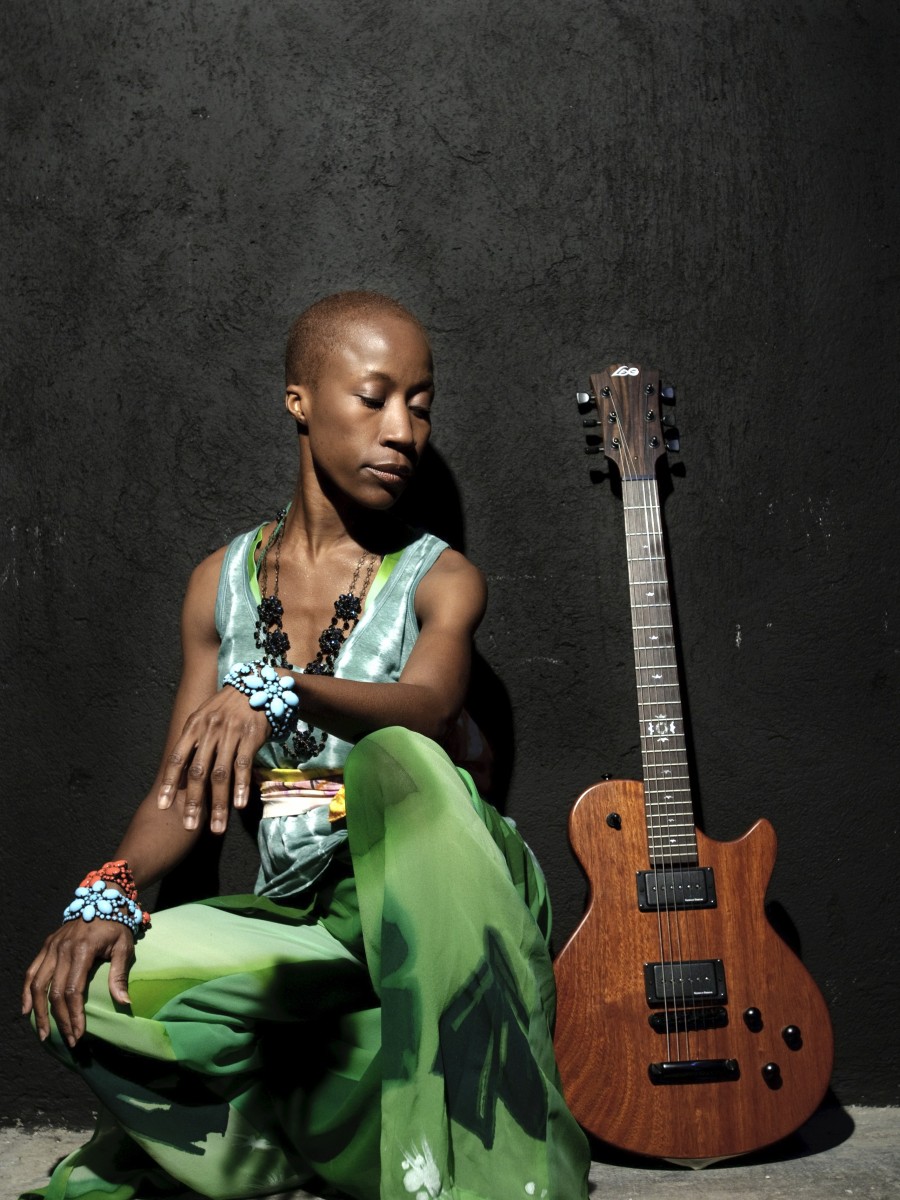
(pictured: Rokia Traore)
Sources used
(1) Boddy-Evans, A. (?) Trade Across The Sahara. Available at: http://africanhistory.about.com/od/kingdoms/ss/SaharaTradeRoutes.htm (Accessed 23 November 2013)
(2) Charry, E. (?) West African Music. Available at: http://echarry.web.wesleyan.edu/Afmus.html (Accessed 1 November 2013)
(3) McGraw Hill (?) West African Folk Music. Available at: http://spotlightonmusic.macmillanmh.com/n/teachers/articles/folk-and-traditional-styles/west-african-folk-music (Accessed 1 November 2013)
(4) Exploring Africa (?) Unit three: Studying Africa through the Humanities. Available at: http://exploringafrica.matrix.msu.edu/teachers/curriculum/m13/notes.php (Accessed 2 November 2013)
(5) Mother Rhythm (2013) 10 Facts About the Djembe. Available at: http://motherrhythm.com/articles/10-facts-about-the-djembe/ (Accessed 31 October 2013)
(6) Unused article http://onlinelibrary.wiley.com/doi/10.1111/j.1478-0542.2010.00750.x/abstract
Images and video links
(i1) Lets Do It World (?) Title unknown. Available at: http://www.letsdoitworld.org/system/files/map_africa_western.gif (Accessed 1 November 2013)
levy Braunstein (2006) Kouyate (Djembe y Dum Dum). Available at: https://www.youtube.com/watch?v=WGOhCh0cWgA (Accessed 30 October 2013)
AcousticGuitarMag (2012) West African Fingerstyle Techniques from Acoustic Guitar. Available at: https://www.youtube.com/watch?v=S7M583vuBag (Accessed 1 November 2013)
Photographer unknown (?) Title unknown. Available at: http://bandonthewall.org/events/3907/ (Accessed 23 November 2013)

Wow!!!! Gold start mate
ReplyDelete